October 19, 2026
LGBTQ+ Youth Programs in DC: Finding Community and Educational Support
LGBTQ+ Youth Programs in DC: Finding Community and Educational Support

Finding a supportive place to learn, meet people, or ask for help can make a real difference. Maybe you’re looking for a youth group, help with school, an affirming counselor, or guidance for your family. In Washington, DC, several organizations offer support for LGBTQ+ young people and the people who care about them.
This guide shares verified starting points and practical questions to ask. Programs, schedules, and eligibility can change, so check each organization’s current information before making plans.
Start with what would help most
“Support” can mean different things. A young person might want a welcoming space to spend time with peers. They might need a school-based ally, counseling, or help finding a scholarship. A parent or caregiver may want to learn how to show support.
You don’t need to solve everything at once. Start with the need that feels most pressing, then see what other support may be useful.
Find community with SMYAL
SMYAL offers programs for LGBTQ+ youth ages 6–24, with options for different ages and interests.
For ages 6–13, Little SMYALs is an affirming social group with activities that include games, arts and crafts, reading, and learning about LGBTQ+ history and culture.
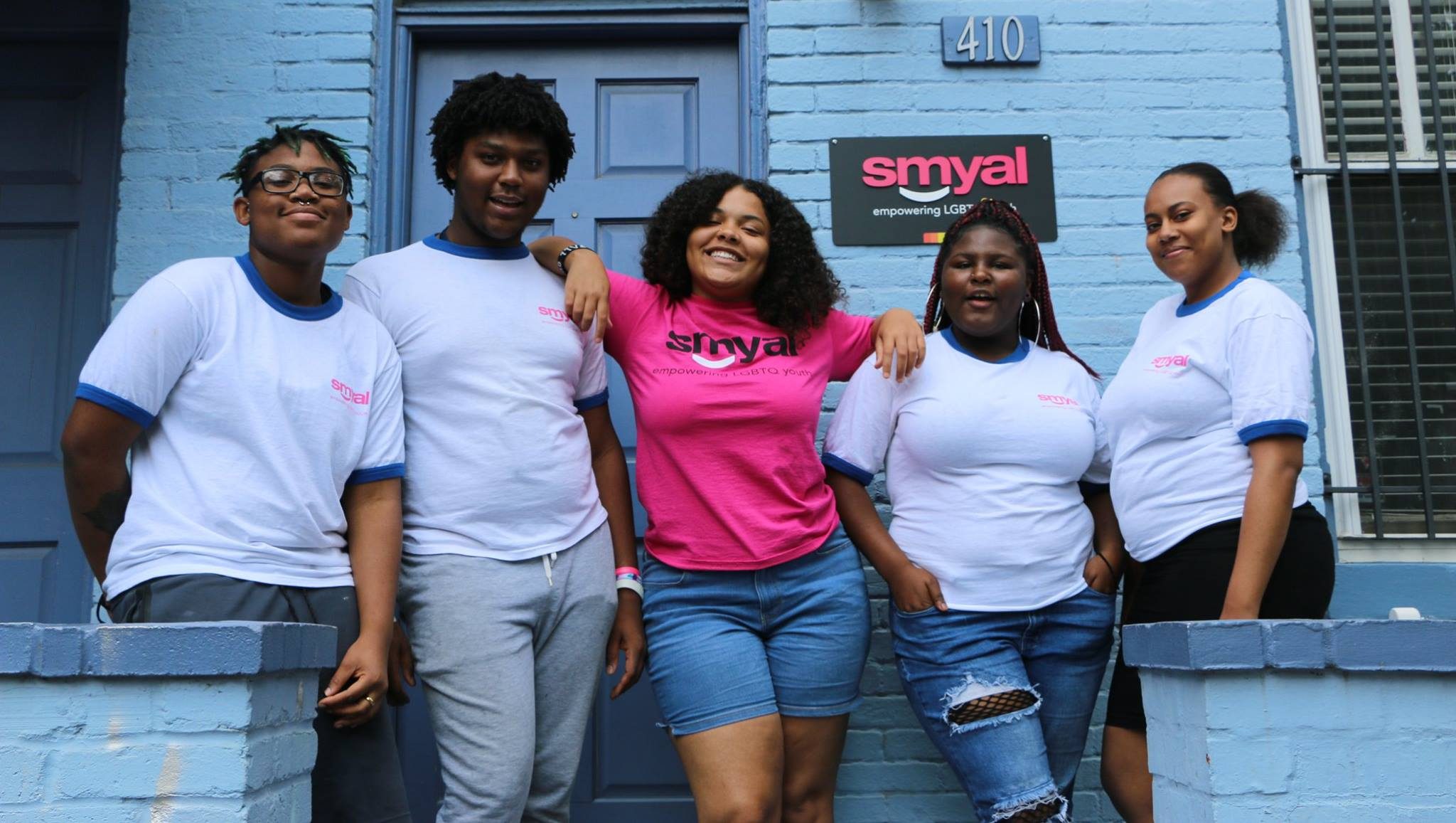
For ages 13–24, SMYAL’s teen and young adult programs offer ways to connect in person at the organization’s DC youth center and online through Q Chat Space and Discord. SMYAL says its programs are free and welcome LGBTQ+ youth, allies, and young people who are exploring or questioning their identities. New participants are asked to attend a Welcome Session. Check the program page for current details and sign-up steps.
If getting to an in-person program is a concern, contact SMYAL to ask about transportation needs and available options. A question is enough to get started.
SMYAL also runs Camp Free2Be, a summer day camp for trans, nonbinary, and gender-diverse youth ages 6–14 in the DMV area. The organization describes it as a space to build friendships and enjoy camp activities. Ask SMYAL about current dates, enrollment, and any requirements.
Explore educational and leadership opportunities
Support can include learning, leadership, and planning for what comes next. SMYAL offers scholarships for LGBTQ+ student leaders continuing their education, including at technical or trade schools and two- or four-year colleges. Application timelines and eligibility details may vary, so check the current scholarship page.
Young people interested in leadership can also explore SMYAL’s youth volunteer and internship opportunities. Its teen and young adult program page describes options for youth ages 13–24, including the DREAM Team. Contact SMYAL directly to ask what opportunities are currently open.
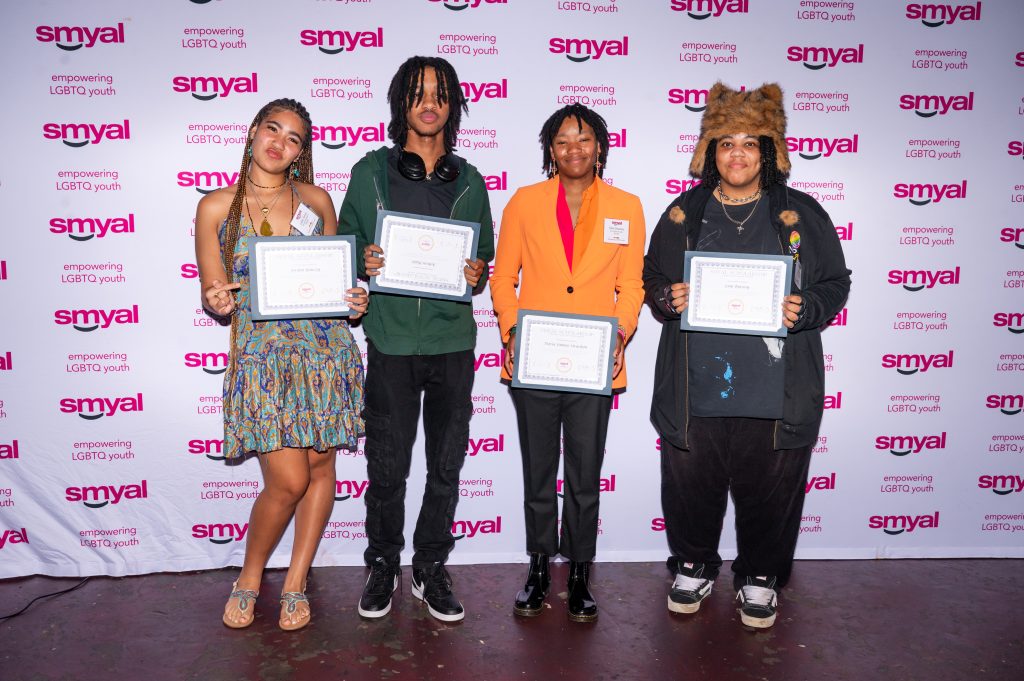
For school-based support, SMYAL’s in-school programs work with schools in DC, Maryland, and Virginia. The organization describes staff training, student workshops, support for Gender and Sexuality Alliances (GSAs), and other school partnerships. A student, family member, educator, or school can contact SMYAL to ask whether support is available for their situation.
If the student attends a District of Columbia Public School, DCPS’s LGBTQ+ Support & Inclusion page explains its LGBTQ+ liaison program, school inclusion work, and resources for transgender and gender-nonconforming students. DCPS also invites people to request support or resources through DCPS.LGBTQ@k12.dc.gov. School systems and policies differ, so use the guidance for the young person’s school.
Consider affirming mental health support
A young person may want someone to talk to about stress, identity, relationships, discrimination, or other life changes. SMYAL’s mental health counseling is for LGBTQ+ youth ages 6–24 in DC, Maryland, and Virginia. SMYAL describes its services as cost-free and available in person in DC and virtually. Its listed options include individual and group therapy, play therapy for ages 6–12, family and caregiver support, and bilingual therapy in English and Spanish.
For current referral steps, contact SMYAL directly through its clinical services page. Ask about availability, location or telehealth, and what to expect from the referral process.
Find support for parents and caregivers
Families and trusted adults may also need a place to ask questions and learn. Metro DC PFLAG offers support, education, and advocacy in the greater Washington, DC area. Its website lists community groups for LGBTQ+ people ages 12–17, as well as groups for parents, friends, and adult allies. Contact PFLAG to confirm current group details and whether a particular option fits your family.
SMYAL also shares information about parent and caregiver support. Reaching out together can help a young person feel supported, but it’s also okay for a caregiver to ask questions on their own.
How to choose a starting point
When you contact an organization, you can keep your questions simple:
- What ages can take part?
- Is the program currently meeting, and how do I join?
- Is it in person, online, or both?
- What does it cost?
- Is there anything a young person or caregiver should know before the first visit?
- Can you help with transportation, accessibility, or language needs?
You don’t have to share more personal information than you’re comfortable sharing in an initial inquiry. If a program isn’t the right fit, ask whether the organization can suggest another resource.
A local place to ask about next steps
Capital Resource Connections is a DC-based community hub focused on education, resource navigation, and collaboration. Our published programming includes financial competency workshops, workforce development training, and domestic violence prevention and preparedness training. These are not described as youth-only services, so please check our programs page for current offerings. If you’re unsure where to begin, you can also contact us to ask about finding relevant local resources.
Finding support may take a few conversations. Start with one question, one trusted person, or one organization. There are people and groups across the DC area working to help LGBTQ+ youth learn, connect, and feel supported.
Published by Capital Resource Connections · Safe LGBT Place · Washington, DC.Visit our main site